Illinois DMV road signs are grouped by shape and color, and each combination has a specific meaning. Red means stop or prohibition, yellow means warning, green means directions, orange means construction, blue means services, and brown means recreation. 15 of the 35 questions on the Illinois written permit exam test your ability to identify road signs by sight.
If you are preparing for the Illinois permit test, road signs are the single most important topic to master. The Illinois written exam contains 35 total questions, and 15 of them — nearly half — ask you to identify road signs by their shape, color, or symbol. The other 20 questions cover traffic laws and safe driving. To pass, you must answer at least 28 questions correctly, which is an 80% score.
This guide covers every category of road sign you will see in the official Illinois Rules of the Road, with images, names, and plain-English meanings. Use it as a study reference before you take the test.
Sign Shapes — What Each Shape Means
Shapes are the fastest way to identify a sign, even from a distance or when it is partially obscured. Memorize these seven shapes and you will already know the category of almost every sign on the road.
| Shape | Meaning | Example |
|---|---|---|
| Octagon (8 sides) | Stop — always | Stop sign |
| Upside-down triangle | Yield — slow down and give right of way | Yield sign |
| Diamond | General warning — hazard ahead | Curve ahead, merge, deer crossing |
| Pentagon (5 sides, point up) | School zone or school crossing | School zone sign |
| Round | Railroad crossing ahead | Yellow railroad advance warning |
| Horizontal rectangle | Guide or information | Highway exit, mileage, directions |
| Vertical rectangle | Regulatory — a law you must follow | Speed limit, no parking, one way |
Sign Colors — What Each Color Means
Color is the second clue. Even if you cannot read the text on a sign, the color alone tells you what kind of message it carries.
| Color | Meaning |
|---|---|
| Red | Stop, yield, or prohibition (something you cannot do) |
| Yellow | General warning — slow down, hazard ahead |
| Orange | Construction or maintenance work zone |
| Green | Directions, destinations, mileage, permitted movement |
| Blue | Motorist services — food, gas, lodging, hospitals |
| Brown | Recreation, parks, historic and cultural sites |
| White (with black text) | Regulatory — a traffic law |
| Fluorescent yellow-green | Pedestrian, bicycle, and school area warnings |
Regulatory Signs
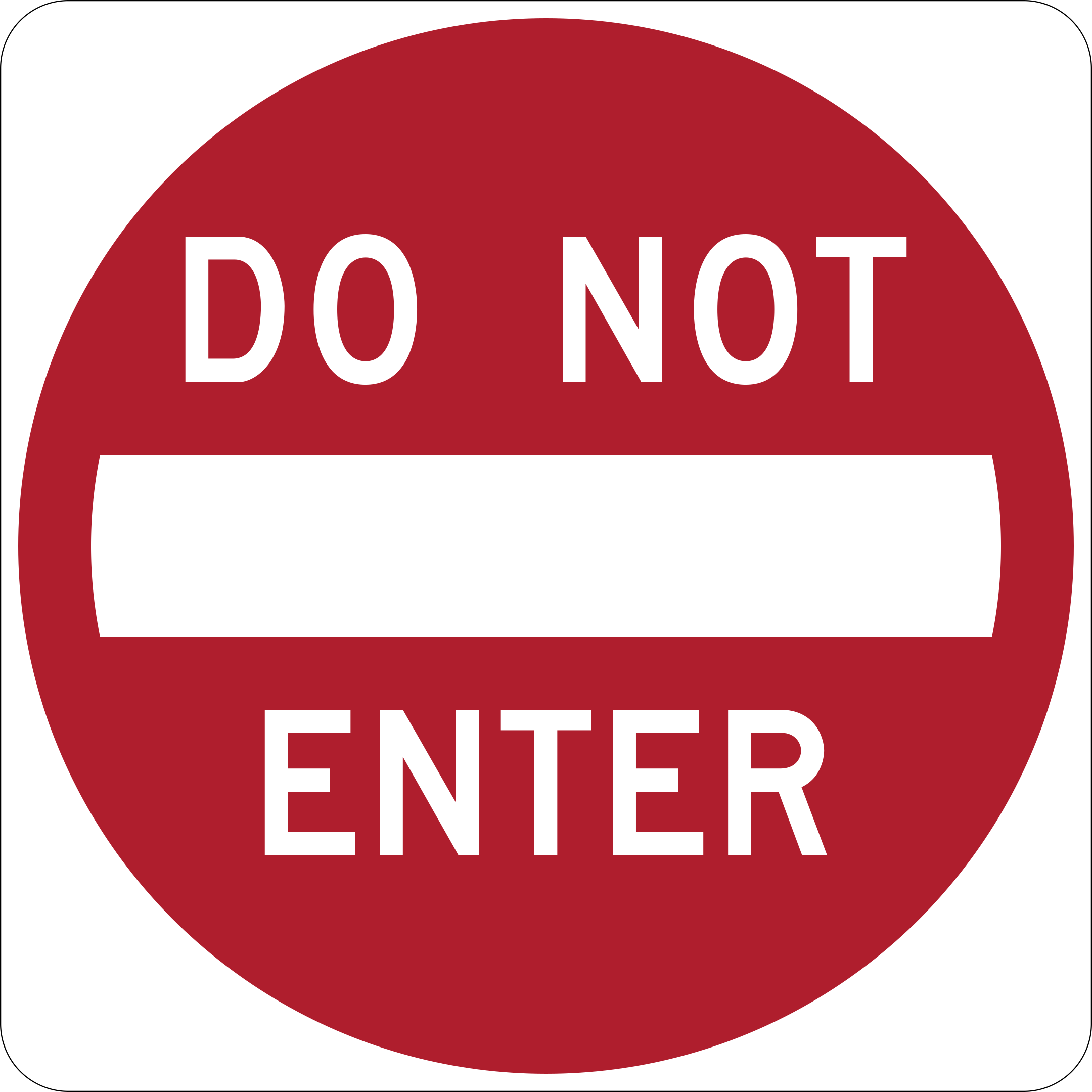
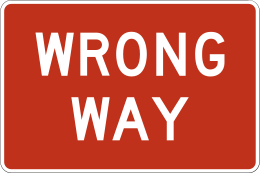
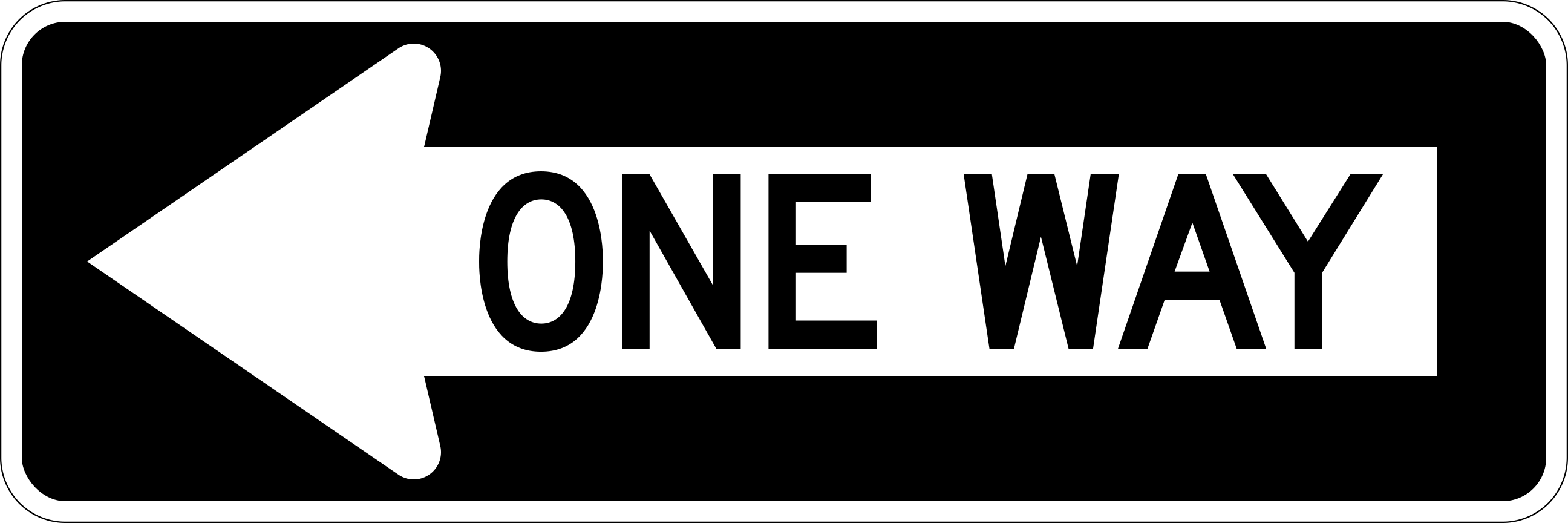
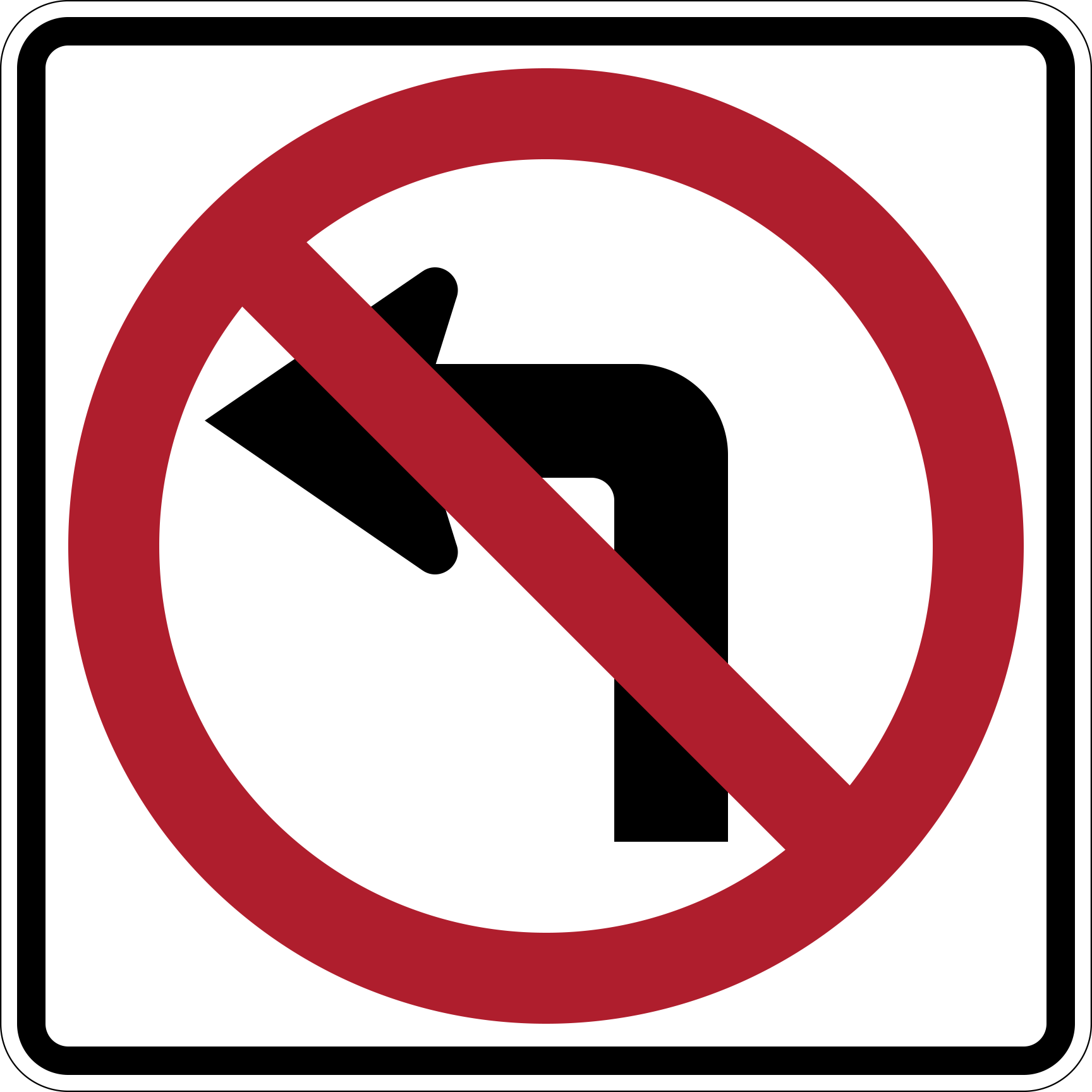
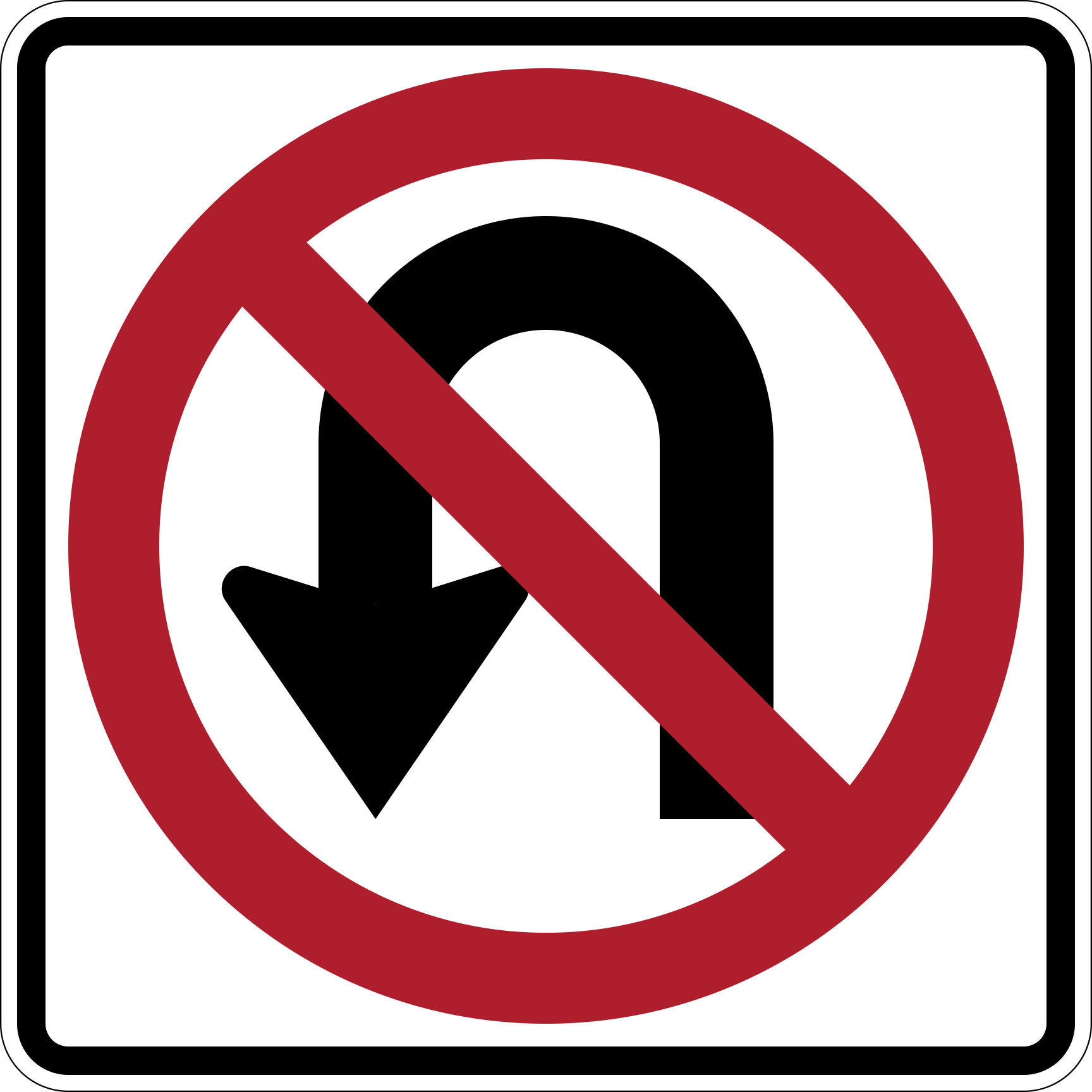
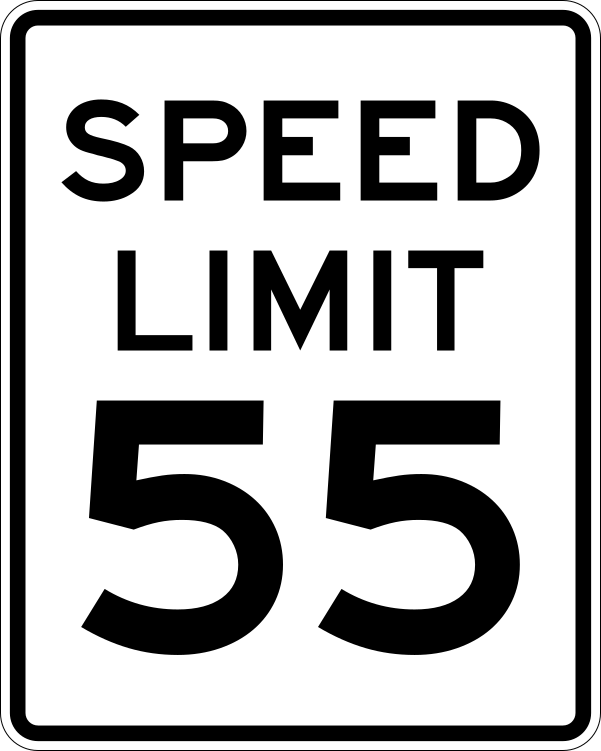
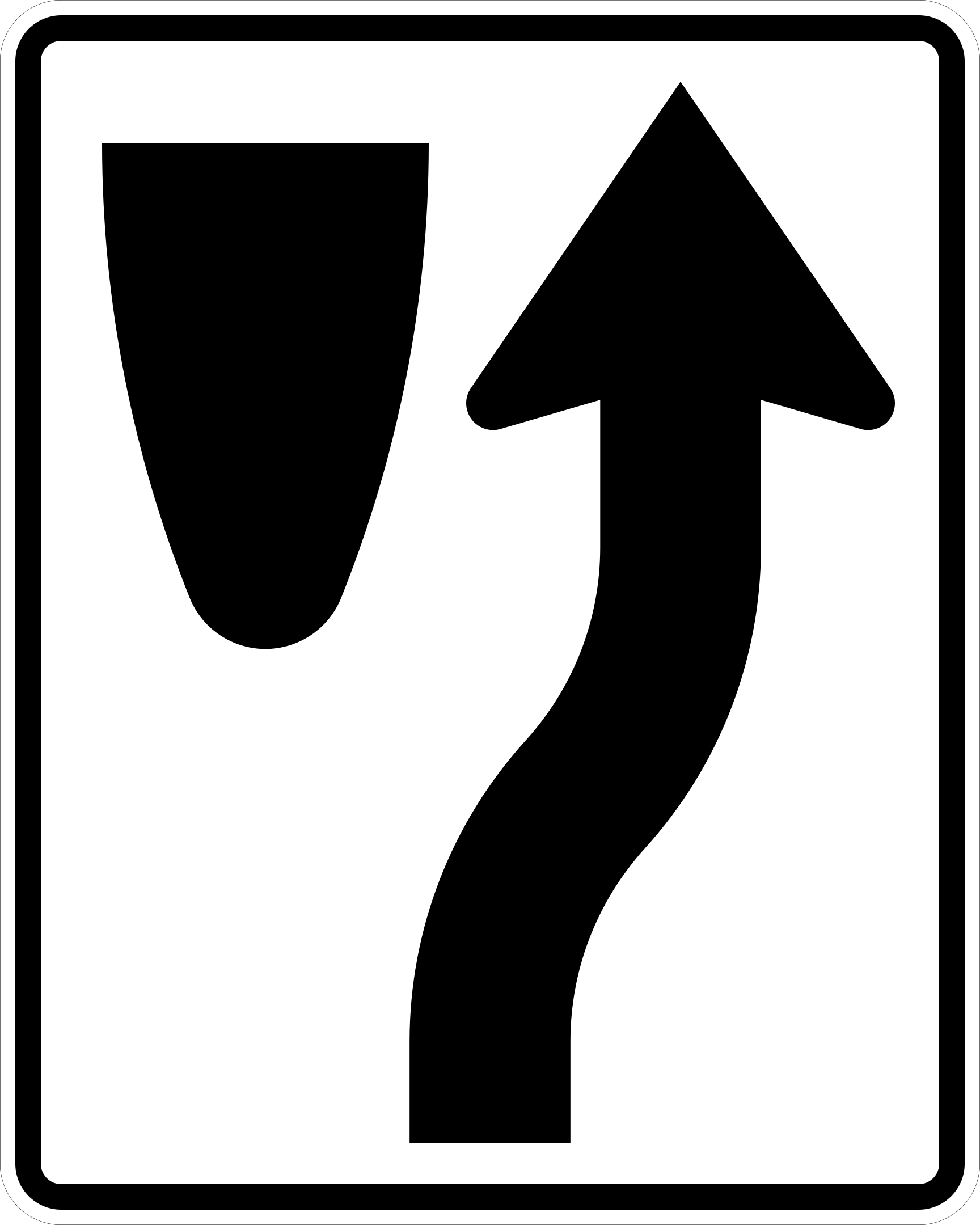
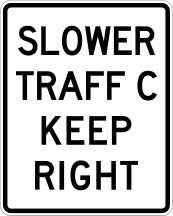
Regulatory signs tell you what you must or must not do. Ignoring them is a traffic violation. Most are white rectangles with black text, but a few (stop, yield, do not enter, wrong way) use red to grab your attention.



Warning Signs
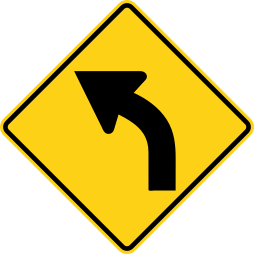
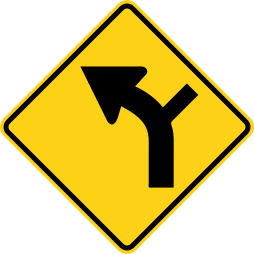
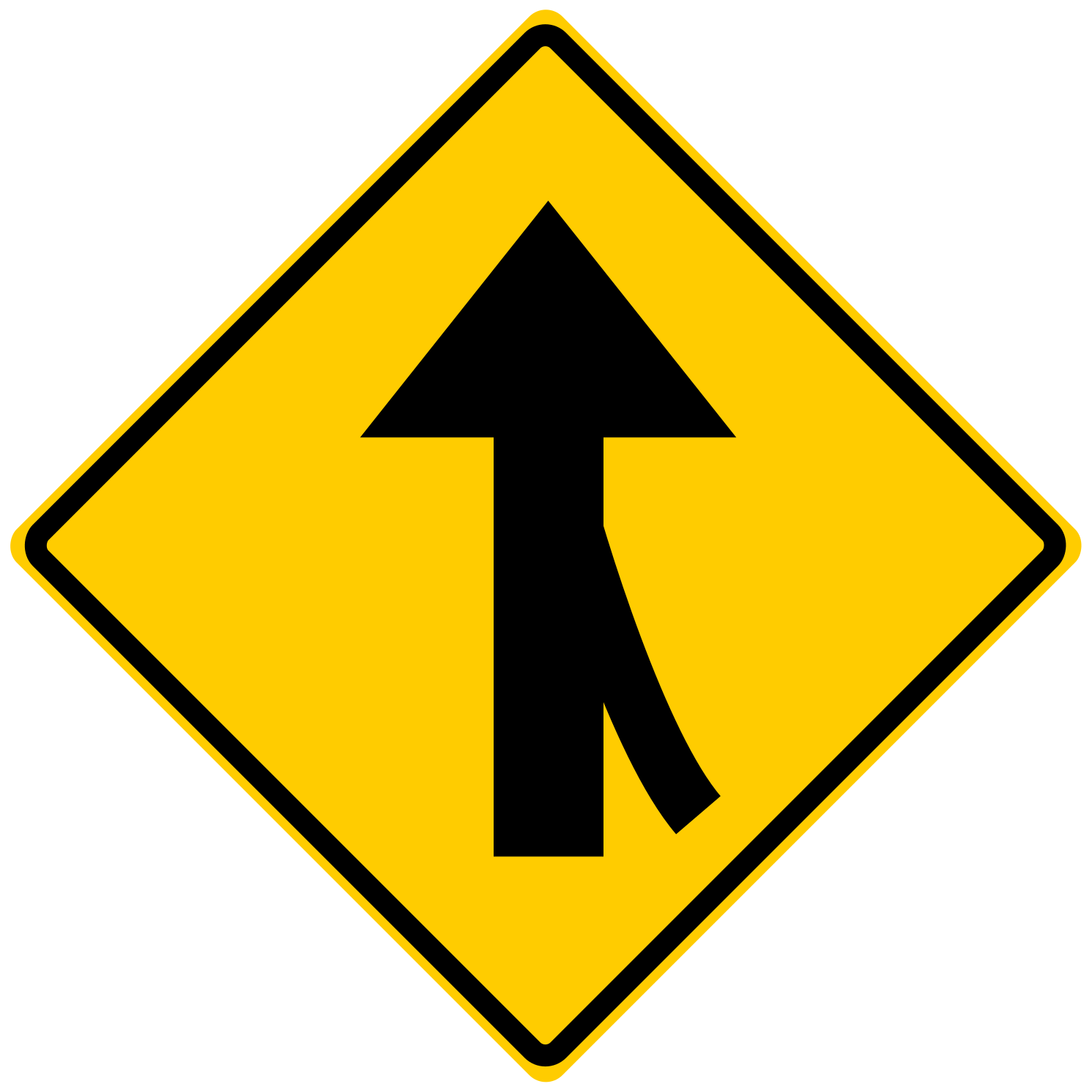
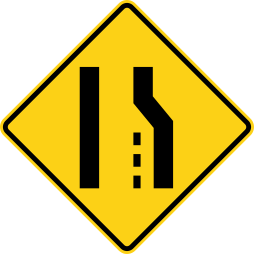
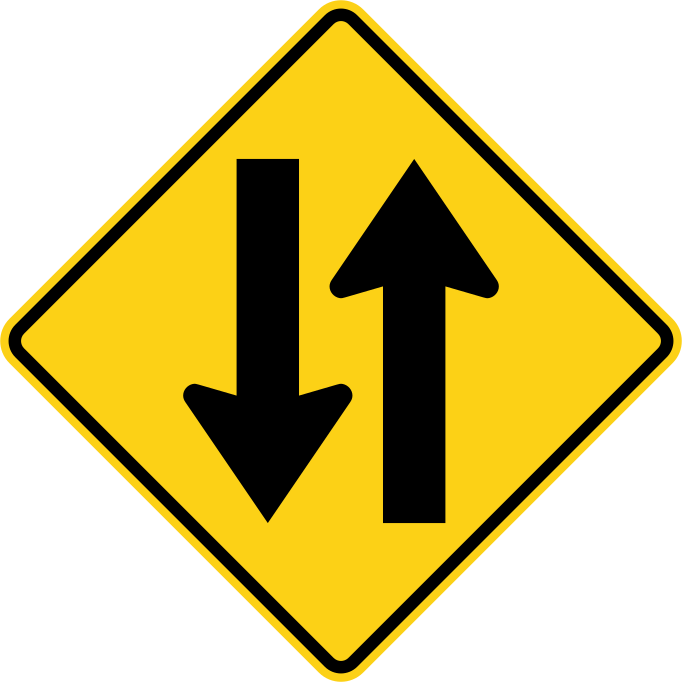
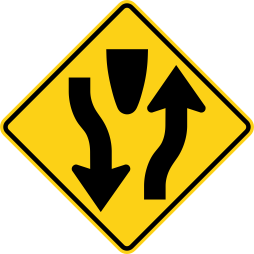
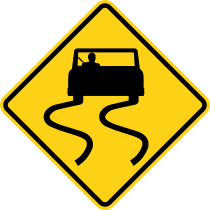
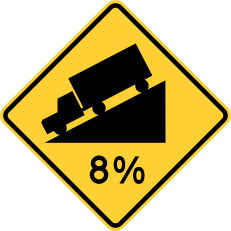
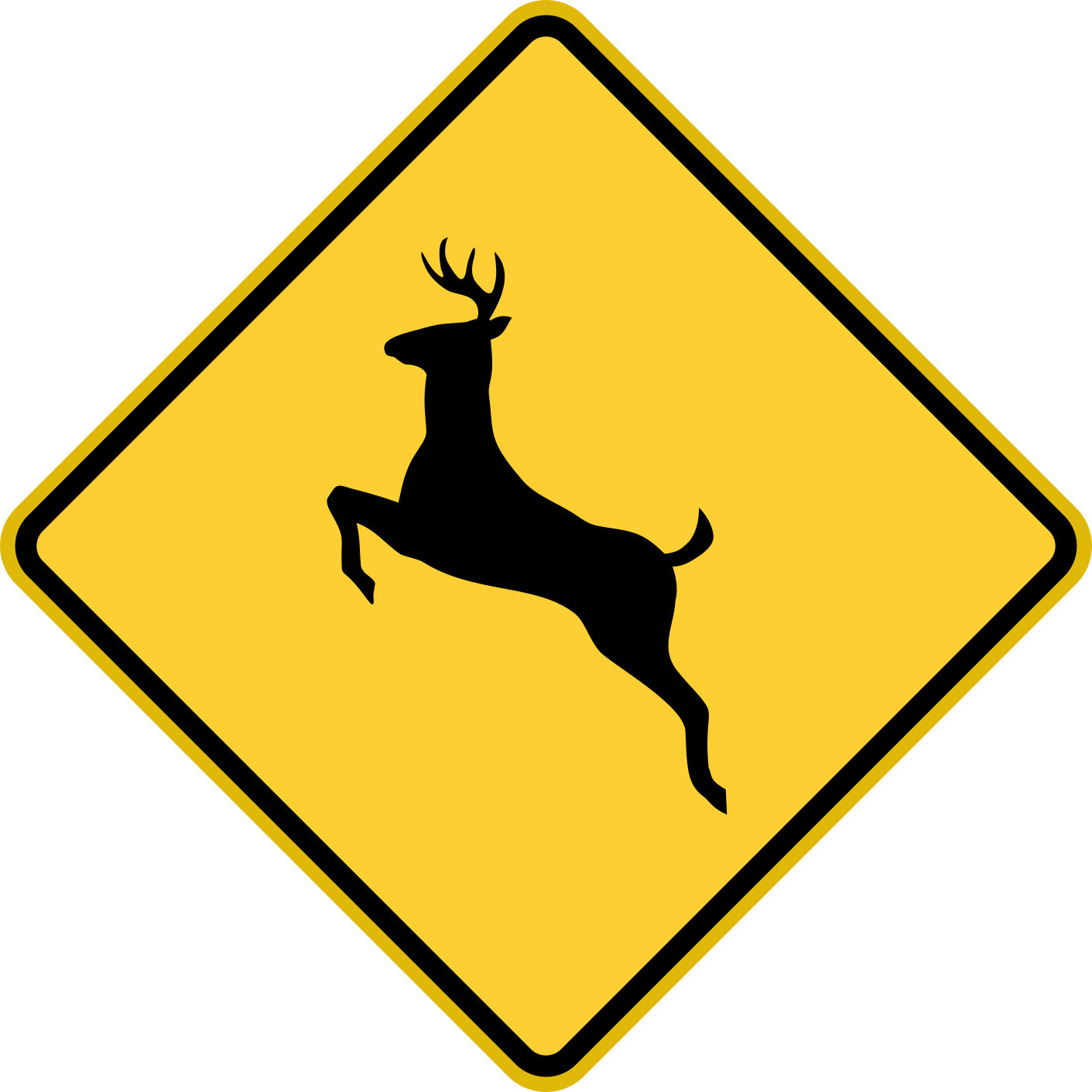
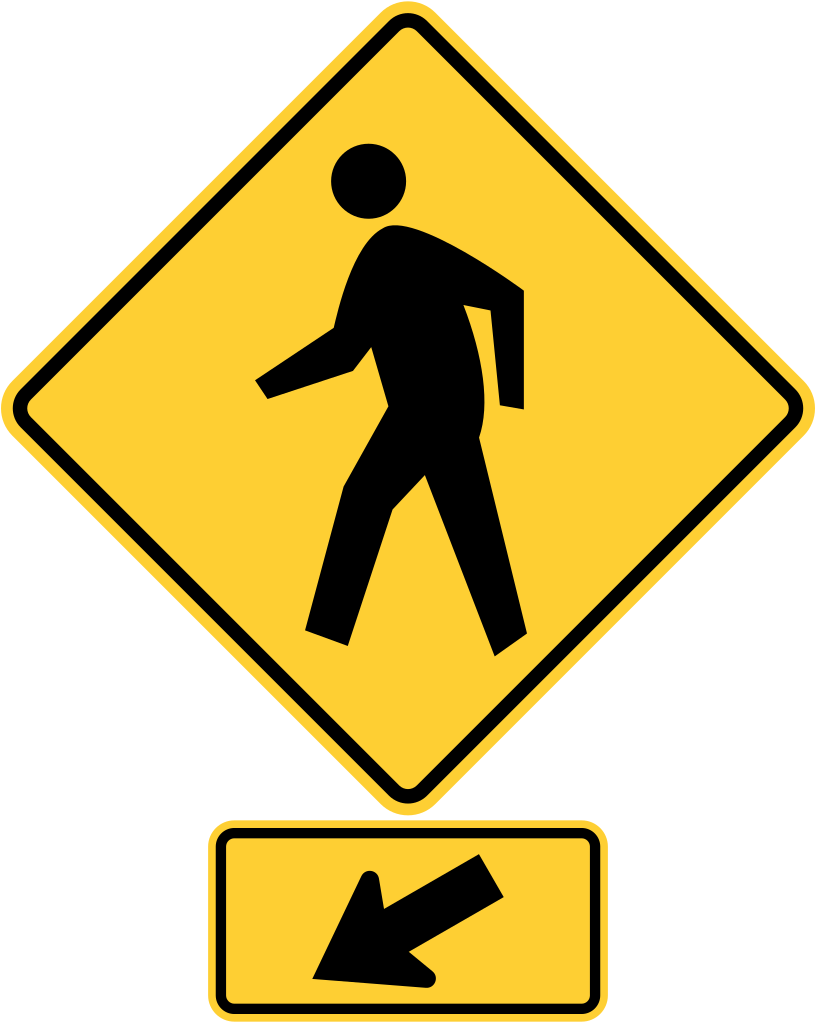
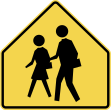
Warning signs alert you to conditions ahead that may require caution or a change in speed. They are almost always yellow diamonds with black symbols. Warning signs do not carry legal penalties by themselves, but ignoring them is how most preventable crashes begin.

Construction and Work Zone Signs
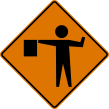
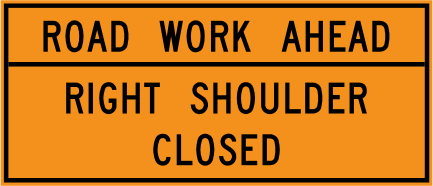
Construction signs are orange diamonds or rectangles. They mark areas where road crews are working, lanes are shifting, or detours are in effect. Fines for traffic violations in Illinois construction zones are higher than for the same offense elsewhere, especially when workers are present.
Guide and Service Signs
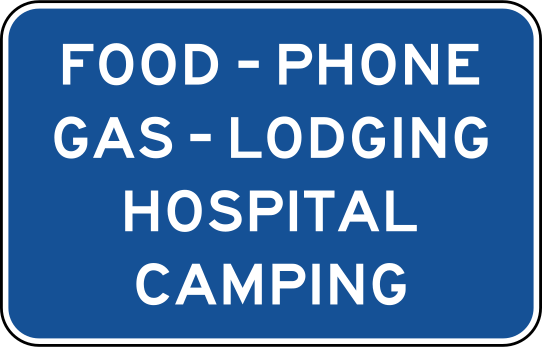
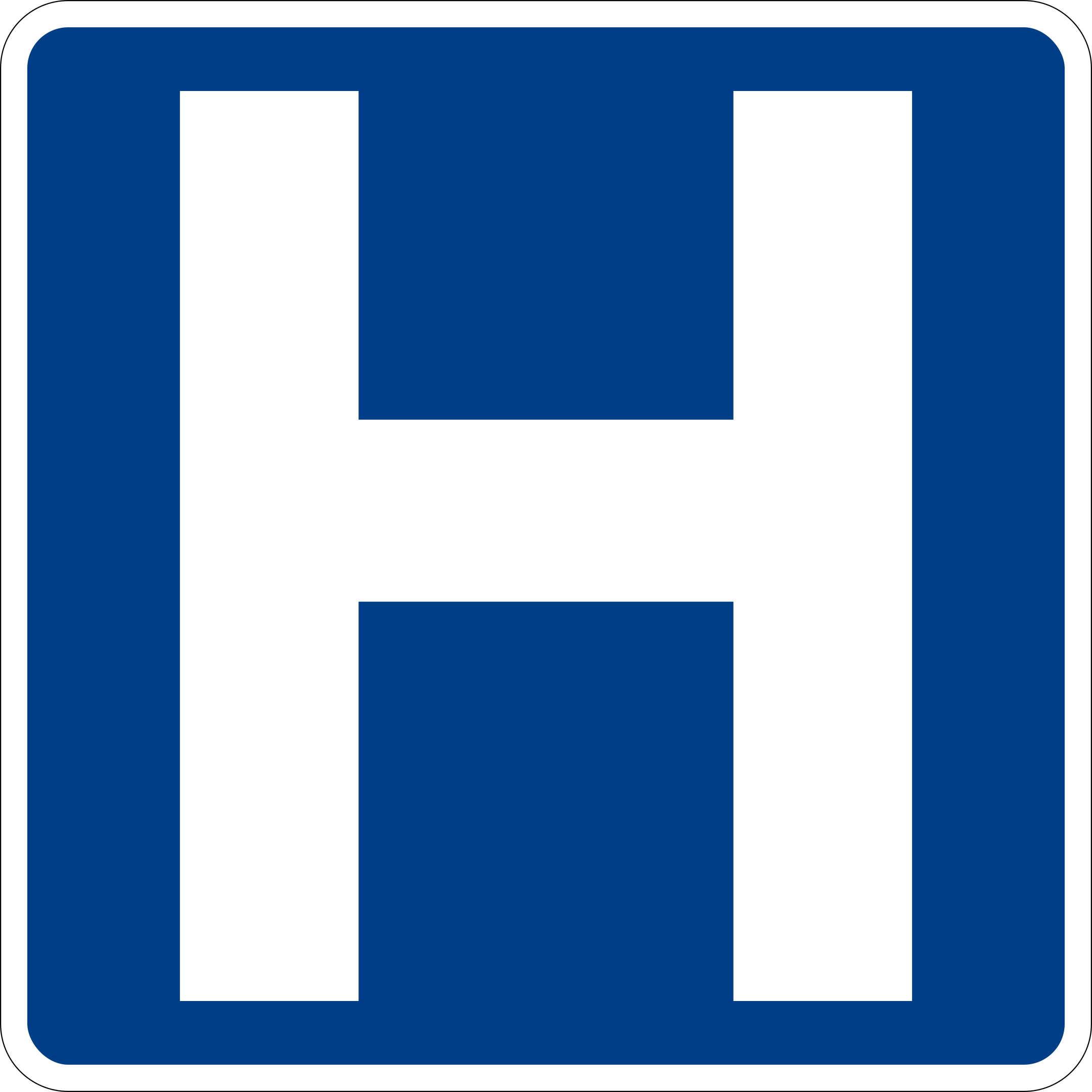
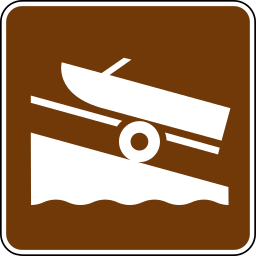
Guide signs help you navigate. Green signs give directions, destinations, and mileage. Blue signs show motorist services like gas, food, lodging, and hospitals. Brown signs point to parks, campgrounds, and historic or cultural sites.

Railroad Crossing Signs
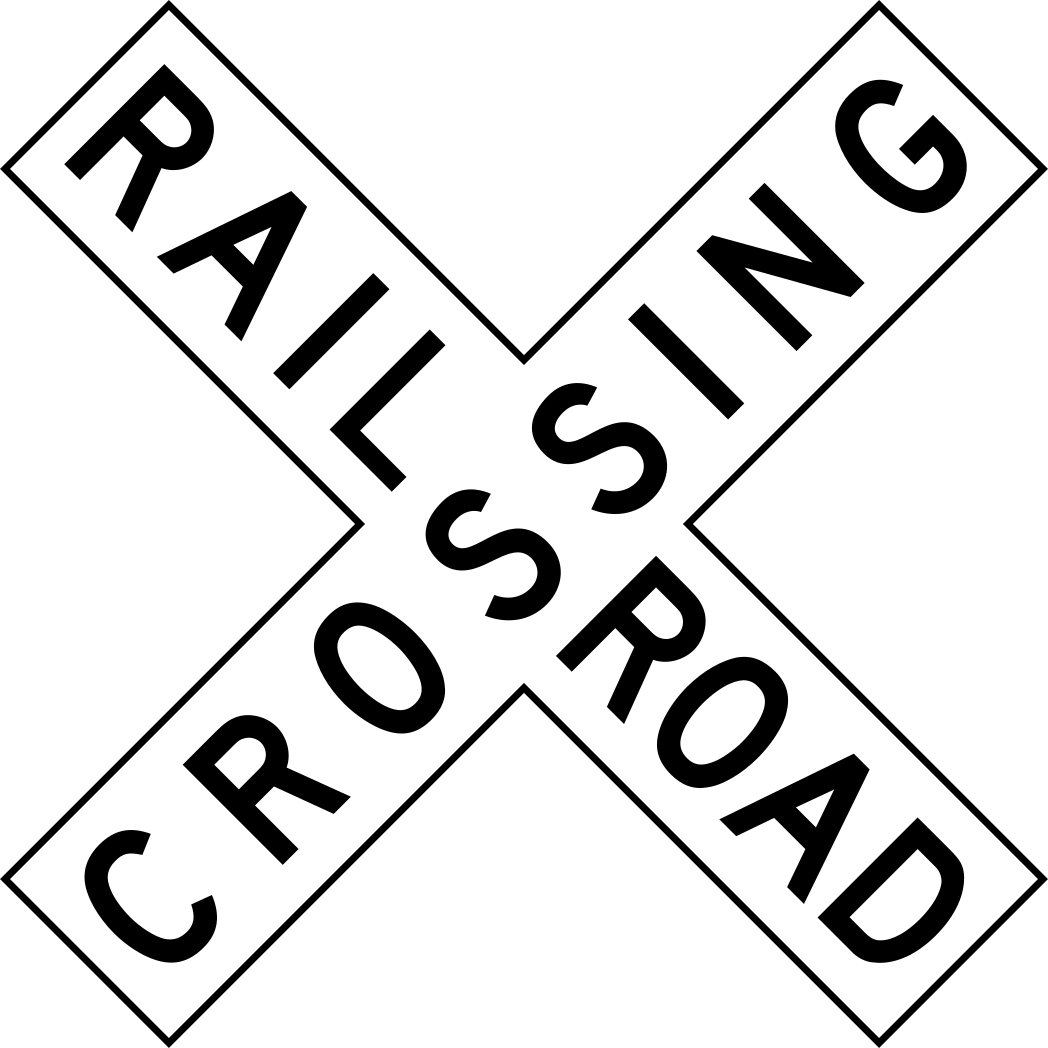
Railroad signs exist because a collision with a train is almost always fatal. The official Illinois Rules of the Road specifically warns drivers never to enter a railroad crossing unless there is room on the other side to fully clear the tracks.


Traffic Signals You Must Know
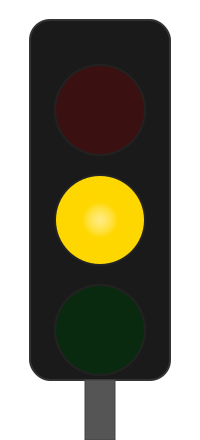
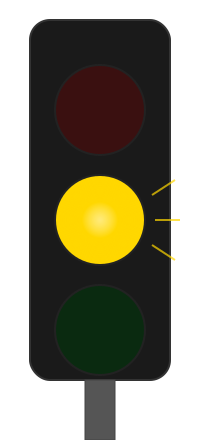
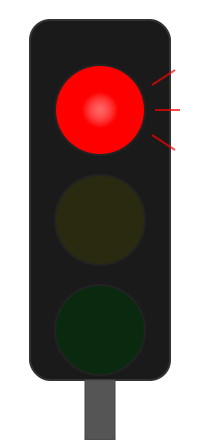
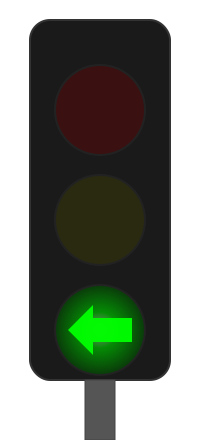
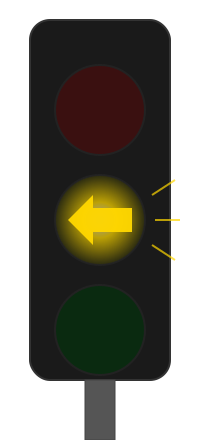
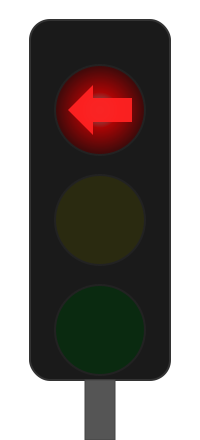
Signal lights are not technically signs, but the Illinois permit test treats them the same way — and you will be asked about them.
How Road Signs Appear on the Illinois Written Test
The Illinois written exam has 35 questions total. 15 of those questions are sign-based, and they generally fall into three patterns:
- Shape and color identification. "What does an octagonal red sign mean?" The correct answer is always stop.
- Sign meaning by image. You see a picture of the sign and have to pick what it means. This is why studying real sign images (like the ones on this page) matters more than reading word lists.
- What to do when you see it. "When you approach a flashing yellow signal, you should..." The answer is slow down and proceed with caution.
Because passing requires 28 correct answers out of 35, you can only miss 7 questions total. Getting all 15 sign questions right gives you an enormous safety margin on the laws section.
Test Yourself on Illinois Road Signs
Our free Illinois practice test uses questions written directly from the official Rules of the Road. No sign-up, no email required.
Start Free Practice TestFrequently Asked Questions
How many road sign questions are on the Illinois permit test?
The Illinois written permit exam has 35 total questions. 15 of those ask you to identify road signs by shape, color, or symbol. The other 20 cover Illinois traffic laws and safe driving. You need 28 correct answers (80%) to pass.
What do the different road sign shapes mean?
Each shape has one meaning. Octagon = stop. Upside-down triangle = yield. Diamond = warning. Pentagon = school zone. Round = railroad crossing. Horizontal rectangle = guide or information. Vertical rectangle = regulatory.
What do road sign colors mean?
Red = stop or prohibition. Yellow = warning. Orange = construction. Green = directions. Blue = services. Brown = recreation. White = regulatory. Fluorescent yellow-green = pedestrian, bicycle, and school area warnings.
What should you do when you see a flashing yellow light?
Slow down and proceed with caution. A flashing yellow does not require a full stop, but you must reduce speed and be ready to yield to other vehicles or pedestrians.
What does a railroad crossbuck sign mean?
A railroad crossbuck is the white X-shaped sign at a railroad track marked "RAILROAD CROSSING." It functions like a yield sign. Slow down, look both ways, and listen for trains before crossing. A small number below the crossbuck tells you how many tracks there are.